

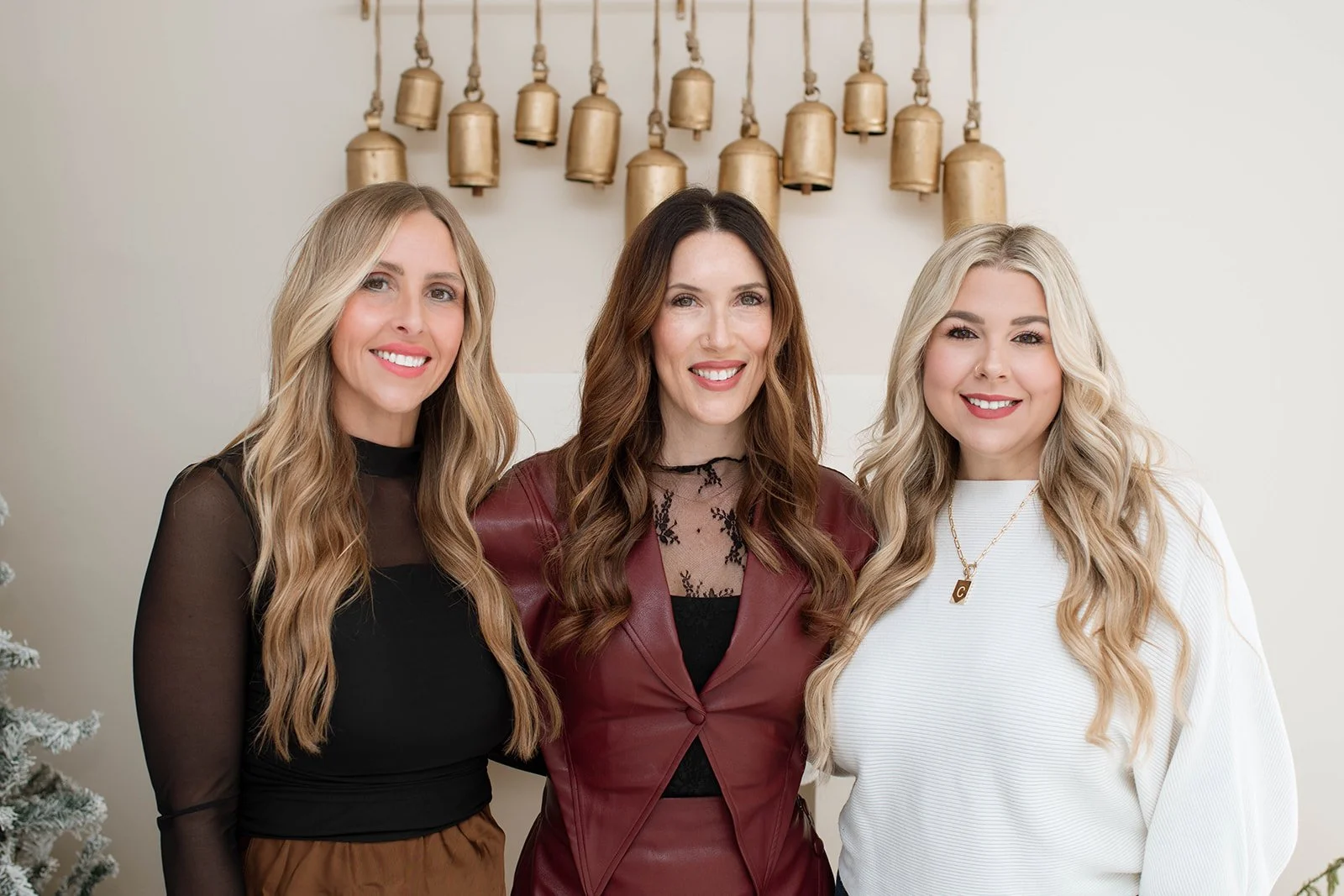
The holiday season tends to bring a few changes to our usual hair routines, like more blowouts, more curling irons, and more occasions where we want our hair to look a little more polished than it does on an average day. Between holiday parties, travel, family photos, and end-of-year plans, it's easy to spend more time styling your hair than you normally would.
We love seeing clients come in for a fresh blowout or a color appointment before a special occasion, as it's part of what makes this time of year fun. At the same time, we want to make sure your hair is in good condition for the entire season, especially if you're already maintaining color or regularly using hot tools.
The extra styling, changes in climate, and additional color appointments can add up, but being mindful of how you're caring for your hair between salon visits can make a difference in how it looks and feels, not just through the holidays, but well into the new year.
Here's what we'd keep in mind when it comes to maintaining healthy hair during the busiest styling season of the year.
More Holiday Styling Means More Heat Exposure
If you typically blowdry your hair a couple times a week, the holidays can quickly change that routine. Between dinners, parties, and getting ready for events, you might find yourself reaching for the dryer or curling iron several days in a row. Add a few professional blowouts, and your hair is experiencing considerably more heat than usual.
The concern isn't one blowout or an afternoon spent curling your hair. It's the cumulative effect of repeated heat exposure, particularly when you're using high temperatures or applying heat to hair that's already dry, color-treated, or compromised. Over time, excessive heat can weaken the hair, affect its outer structure, and leave it more susceptible to breakage.
We aren't suggesting you give up the styles you love. Instead, think about how you can make them last a little longer. If you've had a professional blowout, try extending it another day or two with a little dry shampoo at the roots or a different way of styling your hair. When you're styling at home, let your hair air-dry partially before blow-drying and use a moderate temperature. If you're reaching for a curling iron or flat iron, avoid repeatedly passing over the same section.
Being a little more intentional about how often you're using heat can help maintain your hair's condition without taking away from the styles you enjoy.
Why Heat Protectant Should Be Part of Your Routine
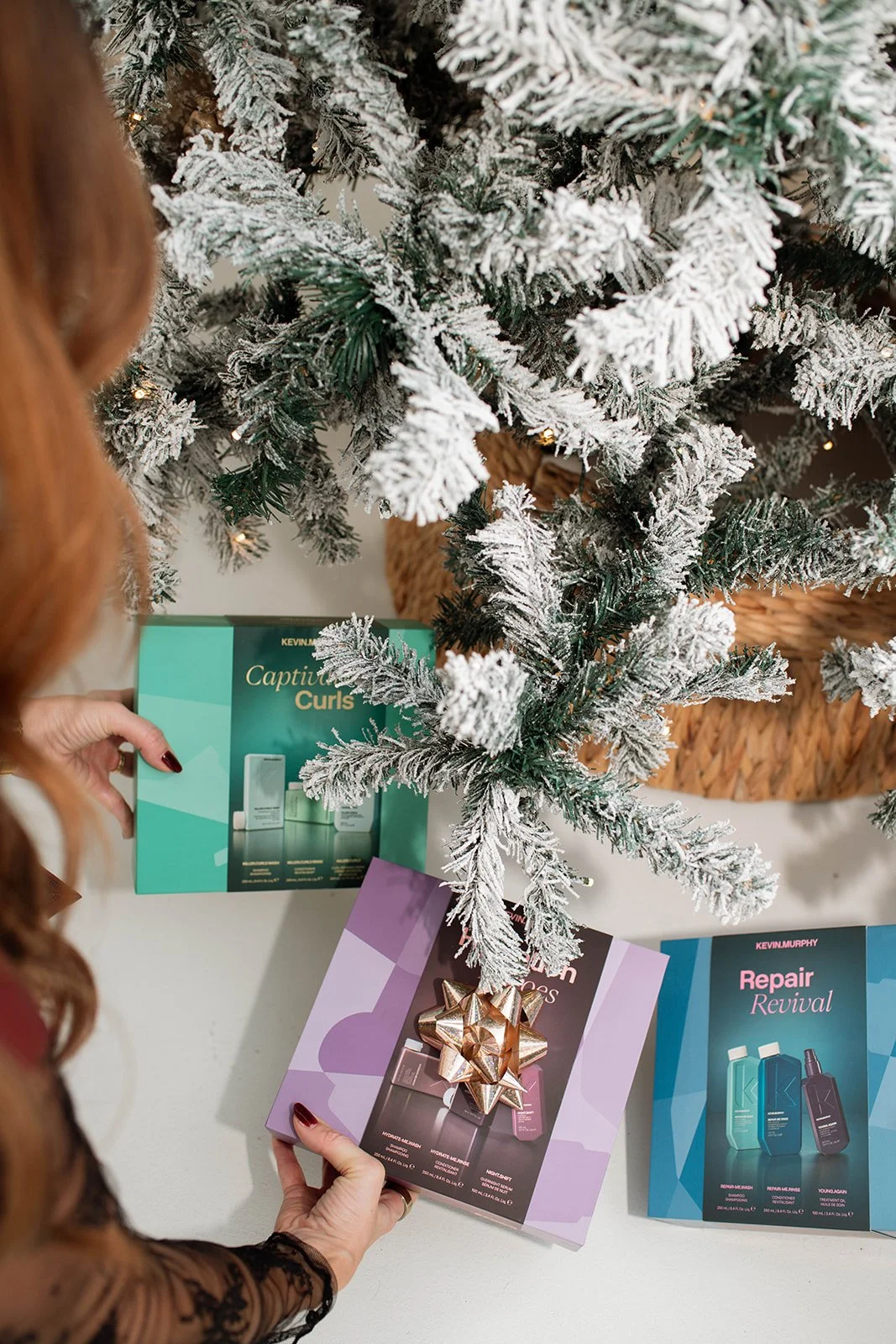
If you're using a blow-dryer, curling iron, or flat iron regularly, heat protectant should be part of your styling routine. These products are formulated to help reduce the impact of heat on the hair by creating a protective layer around each strand. Depending on the formula, they can also offer smoothing, frizz control, and conditioning benefits.
It's worth choosing a product that works with the way you style your hair. Some heat protectants are designed primarily for blow-drying, while others are formulated for direct heat from hot tools. Your hair type and styling habits should also factor into the product you choose.
Apply your heat protectant evenly, paying particular attention to your mid-lengths and ends, where dryness and damage are often more noticeable. Follow the product's directions for application on damp or dry hair, and use the lowest effective temperature for your styling needs.
One thing we always want clients to understand is that heat protectant doesn't make excessive heat harmless. It's an important part of protecting your hair, but it works best alongside reasonable temperatures and less frequent heat styling.
How Traveling Can Affect Your Hair
If you're traveling for the holidays, your hair might need a little extra attention, especially if you're leaving Florida for a colder, drier climate. Changes in humidity can affect how your hair behaves, and spending more time indoors with heating can contribute to dryness and static. You might notice more tangling, flyaways, or that your hair just doesn't feel as manageable as it does at home.
Hotel water, unfamiliar products, and changes to your regular styling routine can also affect the way your hair looks and feels. Rather than using your trip as an opportunity to experiment with an entirely new lineup of products, we'd recommend bringing the ones you already know work well for your hair.
A familiar shampoo and conditioner, a leave-in conditioner, and a styling product that addresses your particular concerns are usually a good starting point. If your hair tends to feel dry when traveling, a moisturizing mask can be helpful, especially when you're spending time in a drier environment. For finer hair, a lightweight leave-in product may provide enough conditioning without weighing everything down.
You don't necessarily need a different routine for every destination, but paying attention to how your hair responds to a change in environment can help you make small adjustments when needed.
Maintaining Your Hair Color Without Over-Processing
The holidays are a popular time for color appointments, and we understand wanting your hair to look its best for everything on the calendar. Whether you're refreshing your blonde, adding dimension, maintaining a rich brunette, or trying something new and fun, it's important to consider the condition of your hair before scheduling another color service.
This is particularly true for blondes and anyone who's been lightening their hair regularly. By the time the holidays arrive, your hair may already have several months of lightening, toning, and environmental exposure behind it. Adding more lightener isn't always what your color needs.
If your blonde is looking a little dull or your brunette has lost some of its richness, a gloss or toner may be enough to refresh your existing color. A toner can help adjust unwanted warmth or brassiness, while a gloss can enhance shine and improve the overall appearance of your color. If you're looking for more dimension, strategically placed lowlights or a subtle adjustment to your existing color may be a better option than another full highlight service.
We always consider the bigger picture when recommending color maintenance. That includes your existing color, how frequently you've been receiving chemical services, and the overall condition of your hair. The right approach isn't necessarily the one that involves the most color. It's the one that gives you the result you're looking for while keeping your hair in good condition.
How to Avoid Over-Processing Your Hair
One of the most important parts of maintaining healthy color-treated hair is knowing when to make a change and when to leave things alone. It's easy to focus on the next color goal without considering what your hair has already been through, particularly if you're looking for a noticeable change before a big event.
Over-processing can happen when lightener or color is repeatedly applied to hair that's already been chemically treated, especially when previously processed areas are overlapped. This can compromise the hair's integrity, leaving it weaker and more prone to breakage.
If your hair is already feeling unusually dry, stretching when wet, or breaking more easily, it's worth reassessing your color schedule before adding another chemical service. Sometimes maintaining your current color while focusing on improving the condition of your hair is the better approach.
If you're considering a significant color change, give yourself enough time for a proper consultation. Your stylist can assess your existing color and hair condition, discuss what's realistically achievable, and determine whether the result should be approached over multiple appointments.
We'd always rather create a thoughtful color plan than compromise the condition of your hair trying to achieve everything in one visit.
Hair Masks vs. Professional Treatments: What Does Your Hair Need?
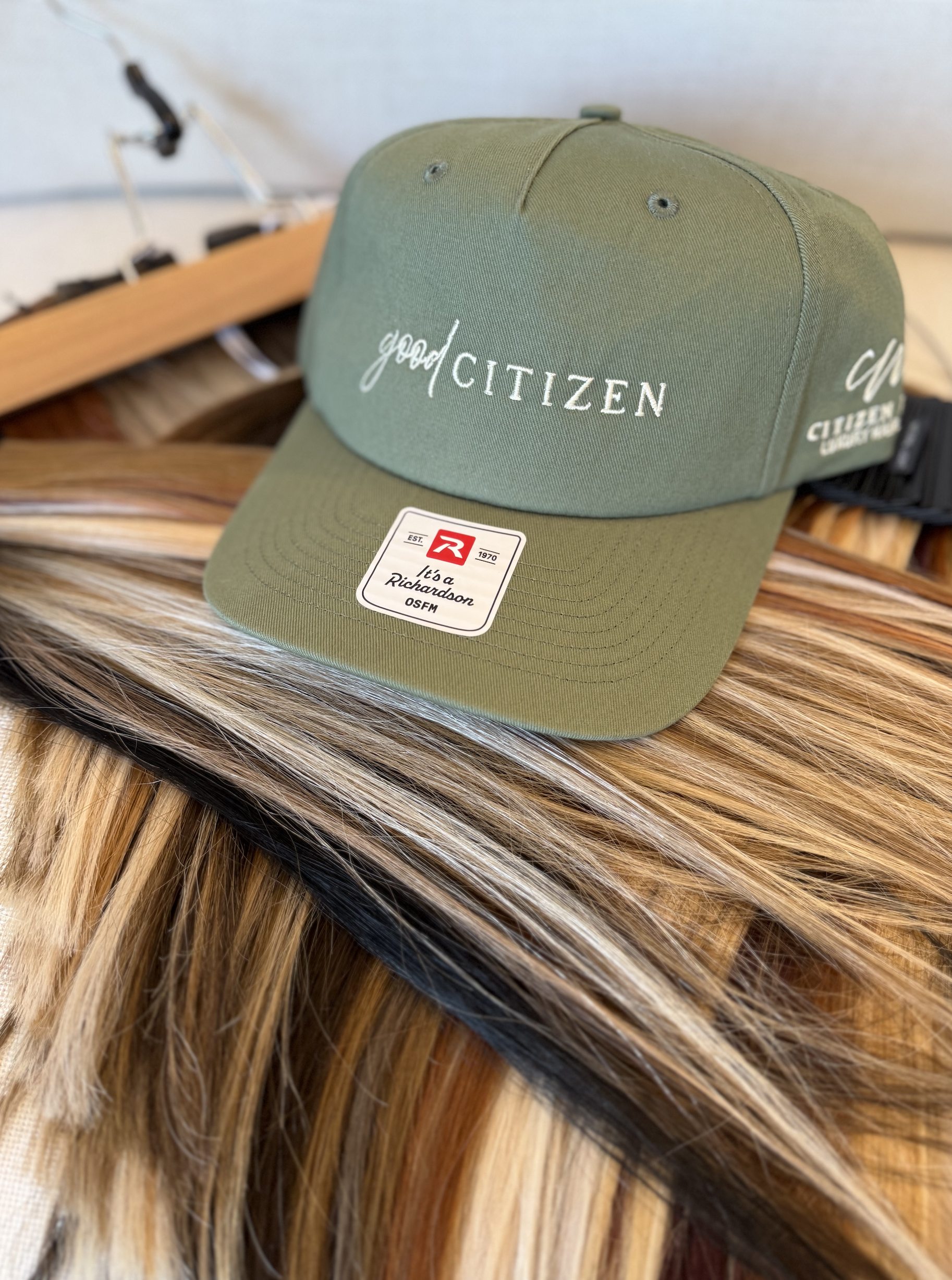
Hair masks are a great addition to an at-home routine, particularly during a season when you're using more heat or traveling frequently. Most are formulated to condition the hair, improve softness, reduce tangling, and make strands easier to manage. Depending on the ingredients, some can also help improve the feel of dry or damaged hair.
If your ends are feeling a little rough, your hair looks dull, or you're noticing more tangling than usual, incorporating a mask into your routine once a week may be helpful. Just make sure you're choosing a formula suited to your hair type. Fine hair generally needs a different level of conditioning than thicker, coarser, or more textured hair.
Professional treatments serve a different purpose, depending on the service and your hair's needs. Some focus on improving moisture and manageability, while others are designed to strengthen or address damage associated with chemical processing. If you've been lightening your hair regularly or are noticing more breakage than usual, an at-home mask may not be enough to address what's happening.
If you're unsure what your hair needs, ask your stylist before investing in another product or treatment. An assessment can help determine whether you're dealing with dryness, damage, or a combination of both, so you're not relying on a product that isn't addressing the underlying concern.
Why Healthy Hair Creates Better Styling Results
The condition of your hair has a lot to do with the finished style. Hair that's well-maintained and properly conditioned is generally easier to work with, whether we're creating a smooth blowout, adding movement with a curling iron, or enhancing your natural texture.
When hair is dry, compromised, or breaking, styling can become more difficult. You might notice that it doesn't hold a curl as well as it used to, feels rough through the ends, or looks frizzier than you'd like. Hair that's in better condition tends to be more manageable and can give us a better starting point when creating the finish you're looking for.
If you have a particular style in mind for an event, preparing your hair beforehand can make a difference. Consistent conditioning, thoughtful heat styling, and keeping up with trims all contribute to the overall condition of your hair.
A Few Recommendations Before the Holidays
You don't need to completely change your hair routine for the season, but there are a few habits we'd prioritize if you're planning to style your hair more frequently.
Use heat protectant consistently. Apply it before blow-drying and hot tools, following the product's directions.
Give your hair a break between styling days. Extend a professional blowout when possible rather than washing, drying, and curling your hair again the next morning.
Keep conditioning consistent. Use a mask when your hair needs additional conditioning, and choose one suited to your hair type.
Be thoughtful about color appointments. If you're planning a significant change, consult with your stylist before scheduling another lightening service.
Bring familiar products when traveling. Your hair may already be adjusting to a different environment, so stick with products you know work well.
Stay on top of trims. Regularly trimming your ends helps manage splitting and keeps your hair looking its best.
Ask about professional treatments. If your hair is breaking, feeling unusually dry, or no longer responding to your usual routine, have your stylist assess it before trying something new.
Enjoy the Holidays & Keep Your Hair Healthy
There's no reason to skip the blowout, avoid the curling iron, or give up your holiday color appointment. We just want you to be mindful of what your hair goes through, particularly if you've already invested time and care into getting it where you want it.
At Citizen Mane, we believe in creating a hair plan that considers more than just the day of your appointment. That means understanding your hair's condition, your color goals, and how you like to wear your hair, then making recommendations that support all three.
If you're planning a holiday refresh or aren't sure what your hair needs before your next color appointment, book a consultation with us at Citizen Mane. We'll take a look at your hair, talk through what you're hoping to achieve, and help you determine the best approach.
And if you enjoy getting our perspective on all things hair, sign up for our newsletter for more hair care advice, seasonal recommendations, and updates from the studio. We'd love to keep in touch.
